Inspiring Tomorrow’s Engineers
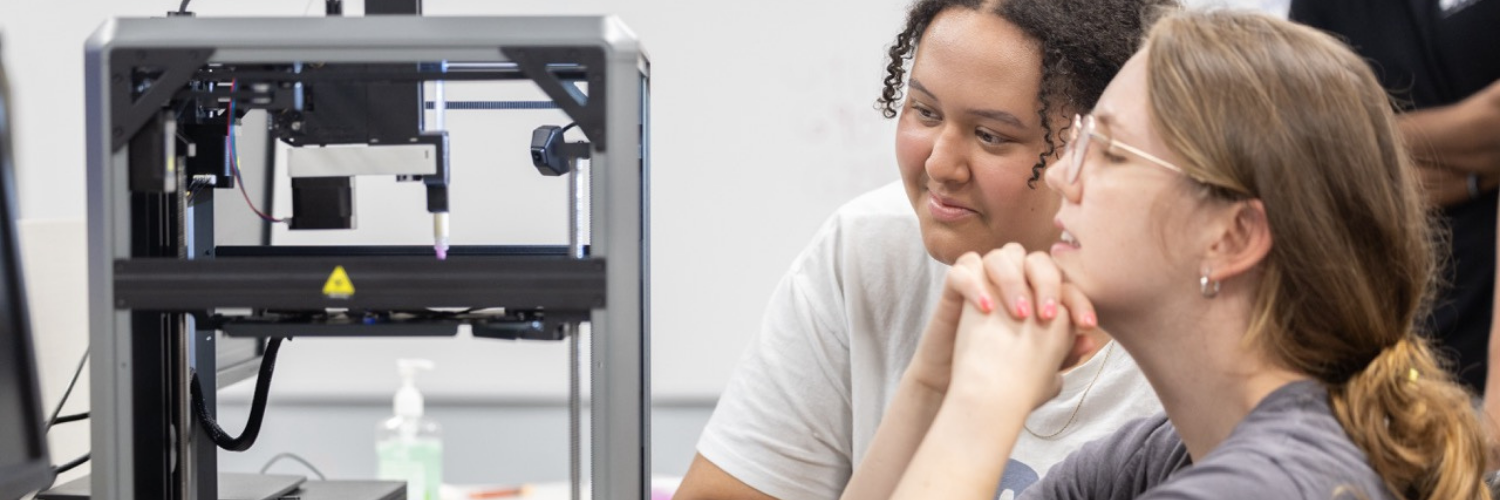
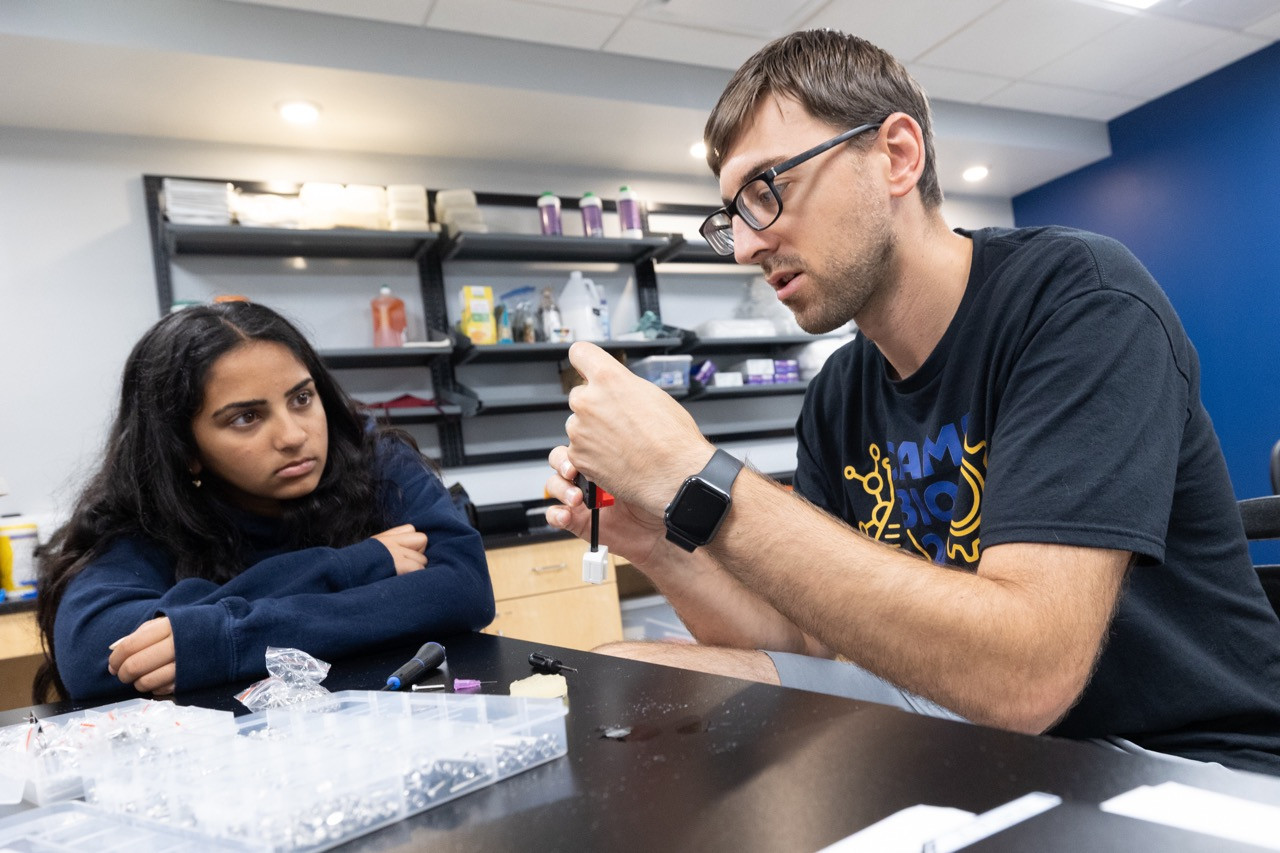
On an early summer morning at Homewood’s Community Engagement Center (CEC), Dan Shiwarski was facing an unprecedented challenge.
A Professor of Bioengineering at the University of Pittsburgh’s Swanson School of Engineering, he’s used to teaching complicated scientific topics — so he was in for a surprise when his initial lesson plans weren’t clicking with his high school scholars.
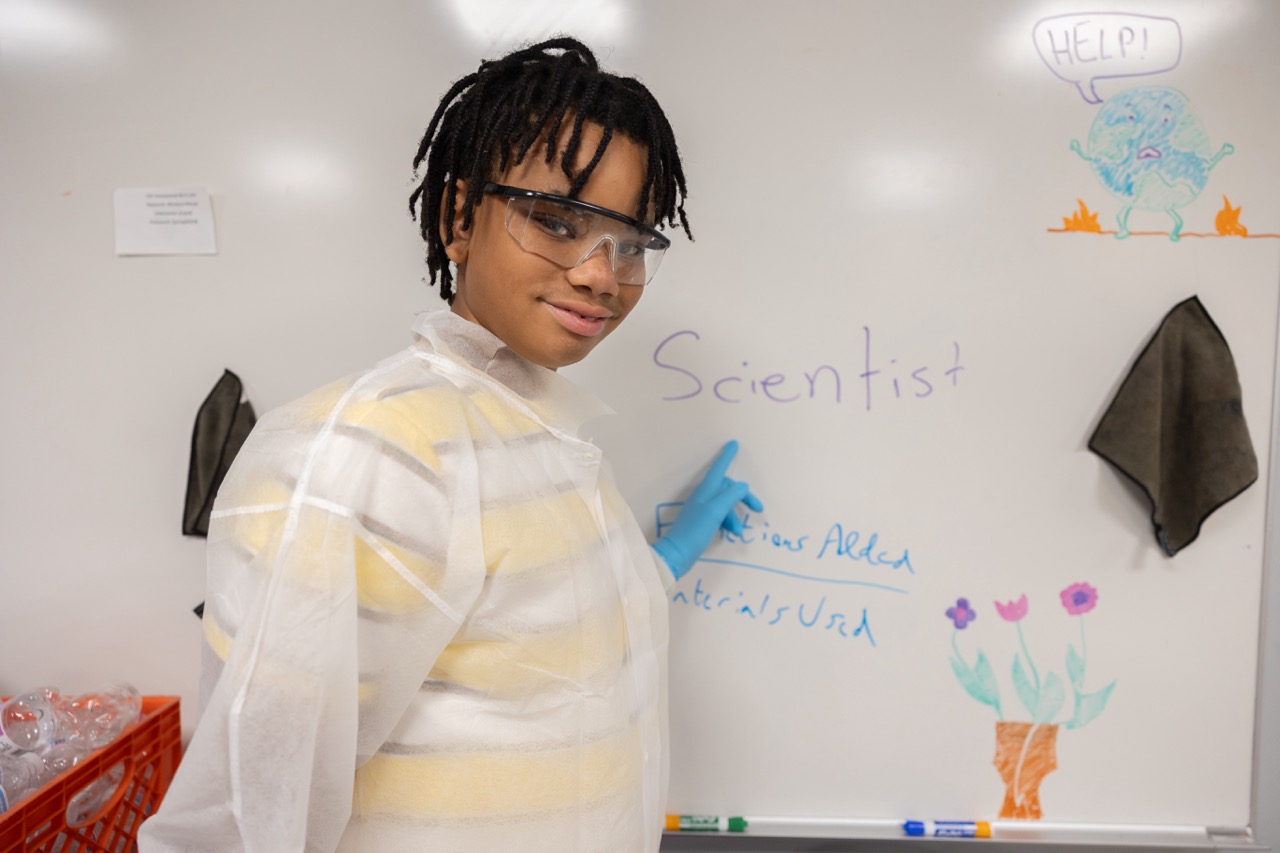
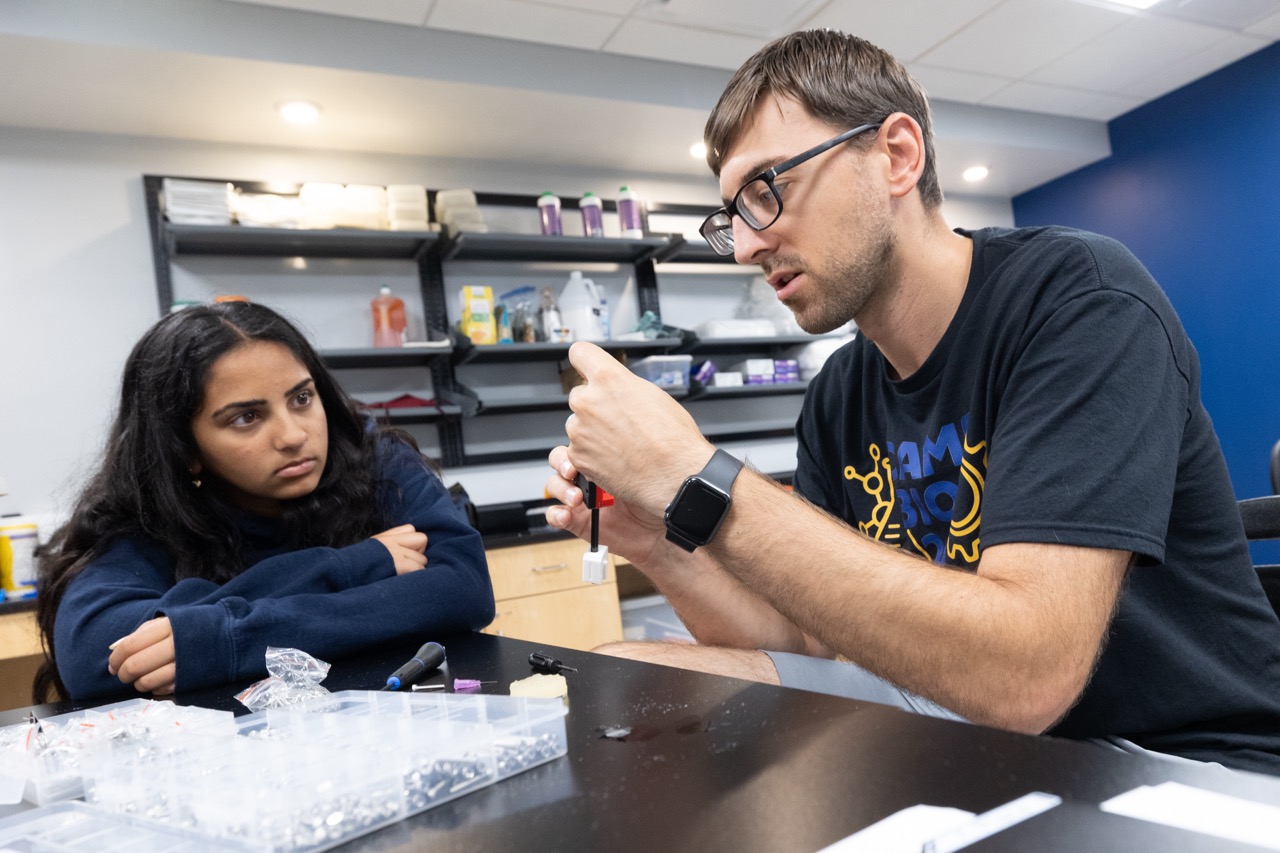
“I realized pretty quickly that a standard college lecture just wasn’t going to work to keep them engaged, so I ditched all of my PowerPoints and started from scratch on the first day.” Shiwarski said. “We ended up working collaboratively to sketch things out together and utilize hands-on exploration of our topics to become a part of the innovation process.”
Shiwarski was leading a session of CampBioE 2.0, a five week long STEM+ summer camp for elementary, middle, and high school students that introduces its scholars to hands-on, cutting edge activities in bioengineering. Led by Director Katrina Knight, Assistant Professor of Bioengineering at the Swanson School, the camp collaborated with Shiwarski’s VESSELS program at the Vascular Medicine Institute (VMI) to introduce a 3D bioprinting session to its CampBioE 2.0 high school scholars.
Curating the Curriculum
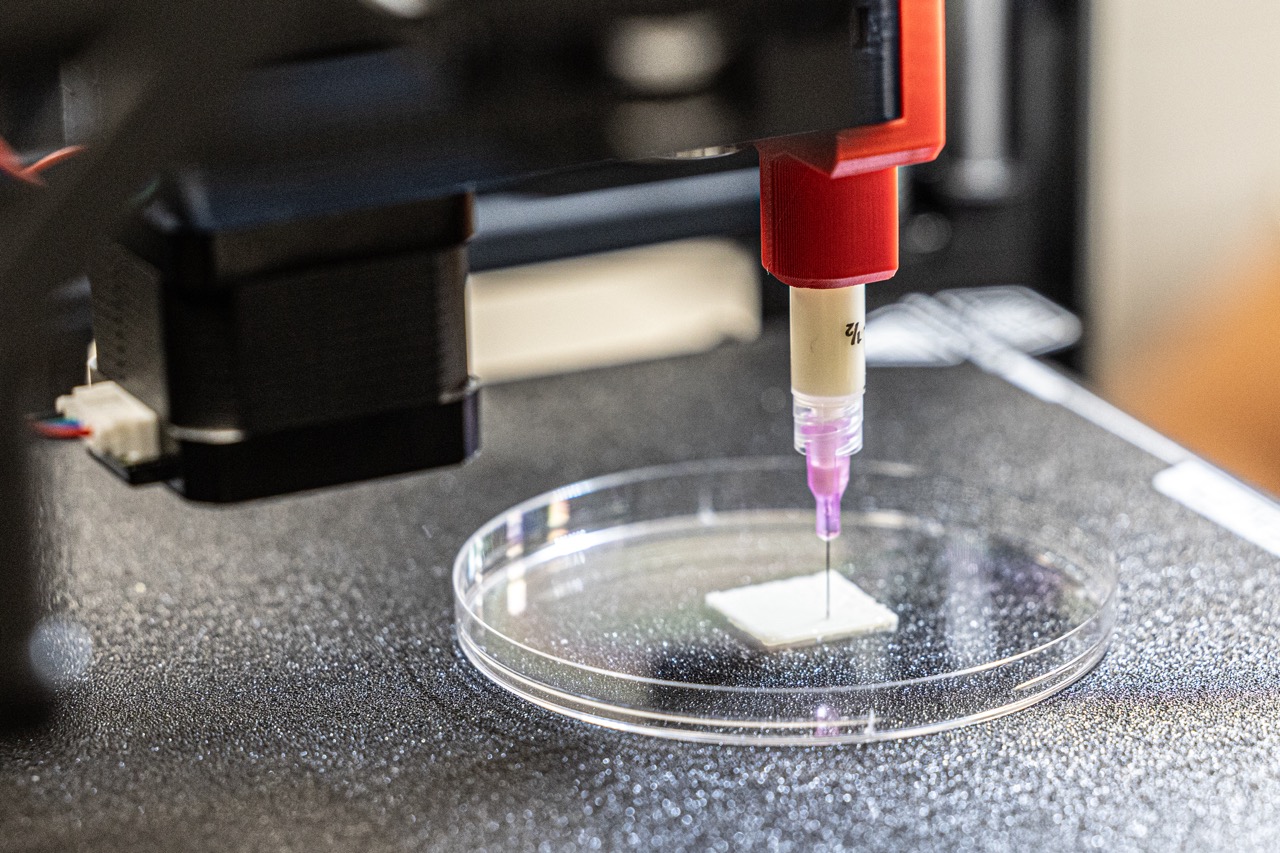
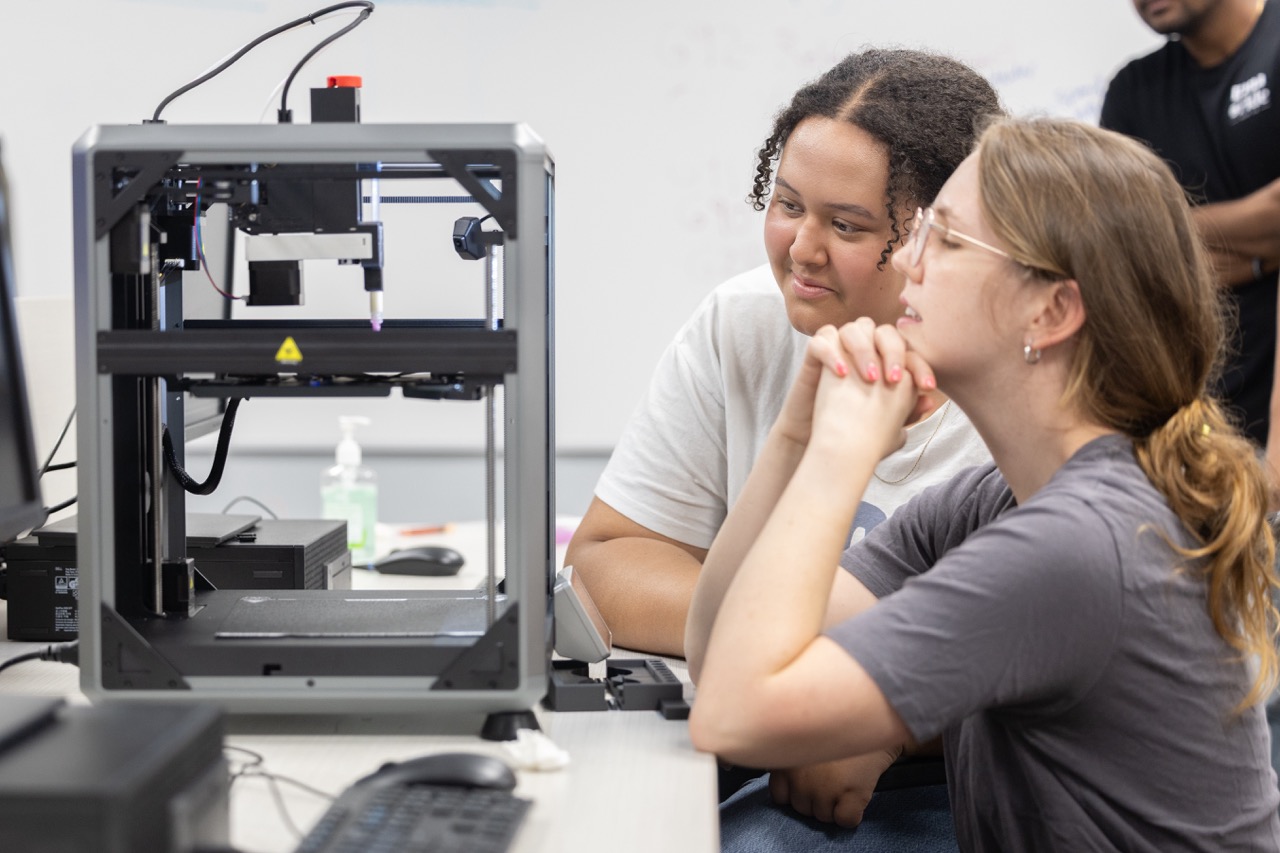
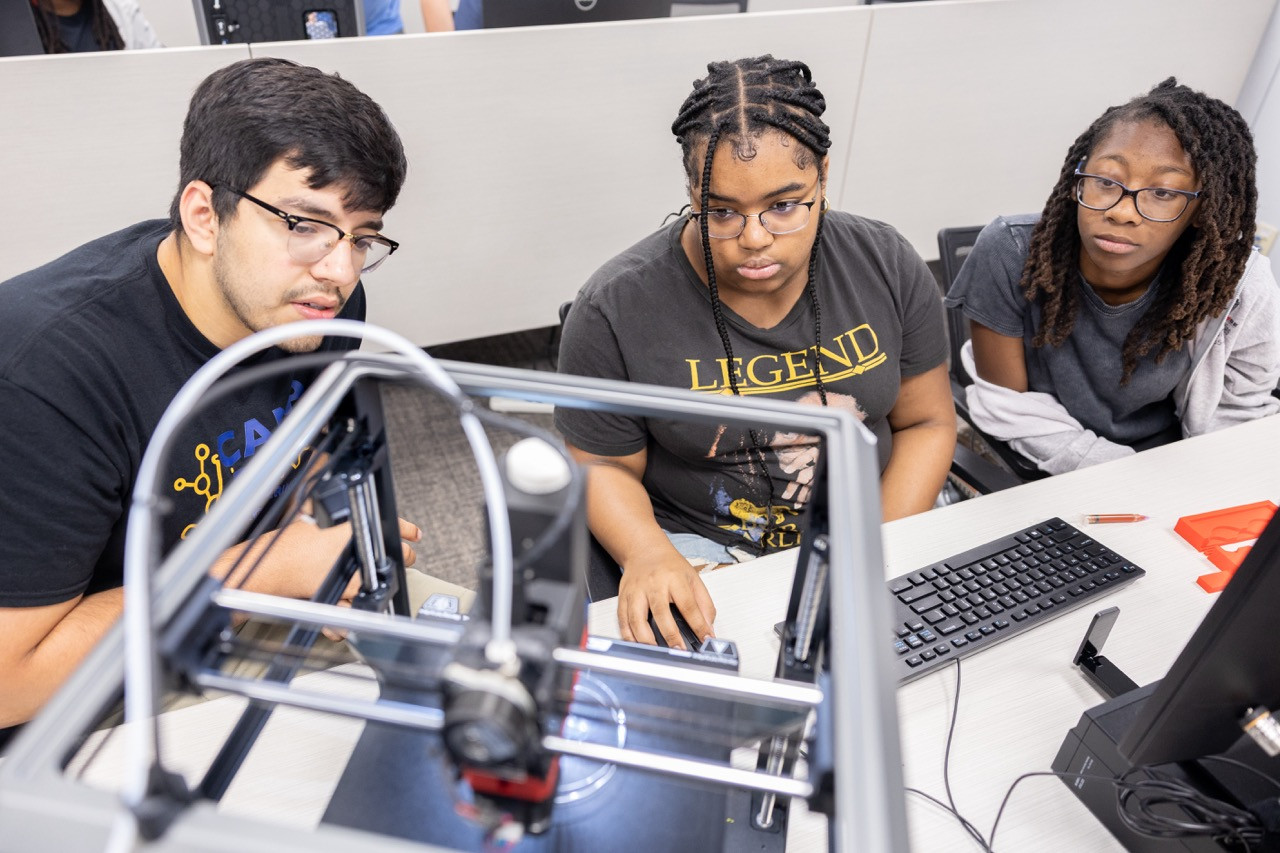
Instead of printing with plastic like a typical 3D printer, bioprinting allows researchers like Shiwarski to use biomaterials to create complex 3D structures that can mimic human tissues, cartilage, and even organs. During the two-week immersive workshop, Shiwarski taught his scholars to convert a commercial 3D printer into a 3D bioprinter and then design vascular scaffolds from hydrogel-based biomaterials.
“Learning about things like 3D bioprinting is incredibly valuable for our high school scholars.” Shiwarski said. “It’s an emerging technology, and they can really dive into things they might not normally see in school, like CAD modeling, computer simulations, and printing and experimenting with the technology themselves in a fun environment.”
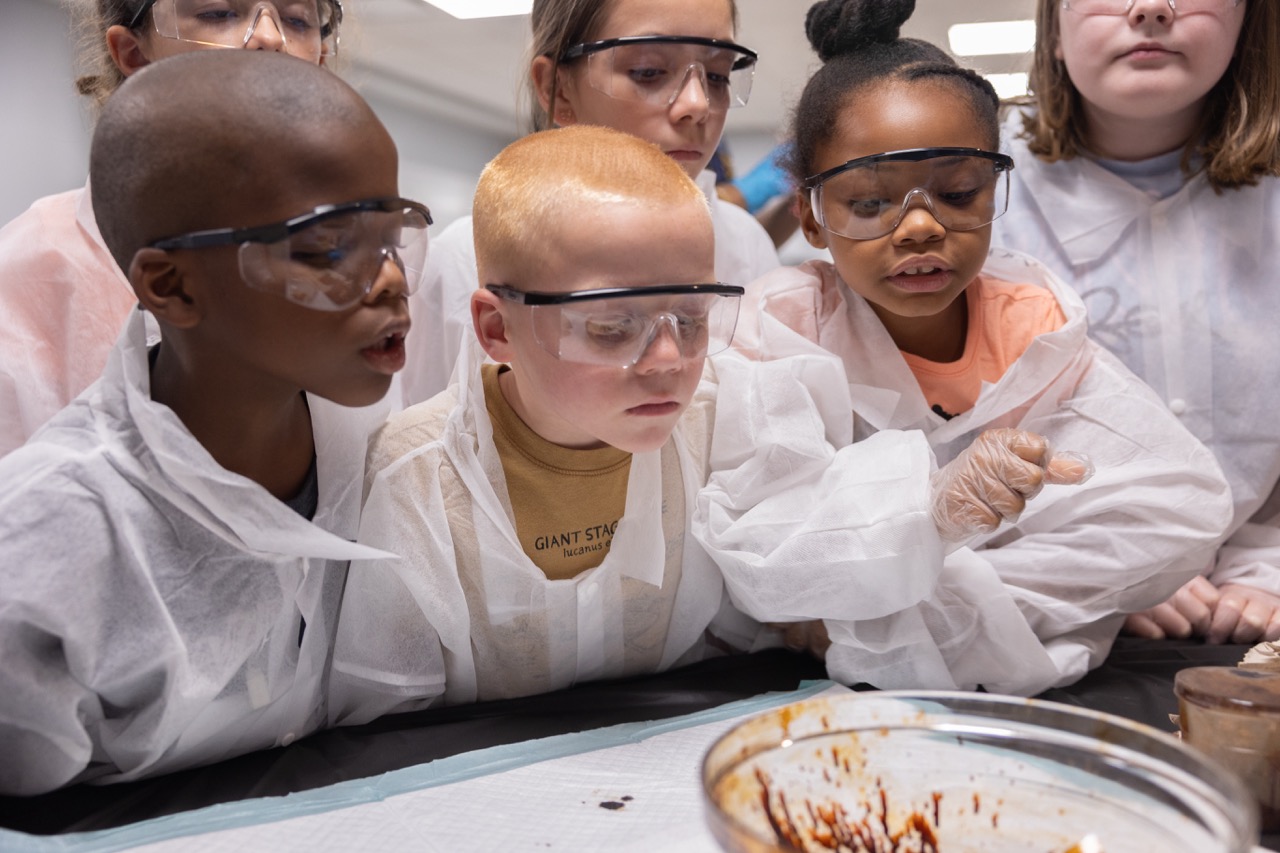
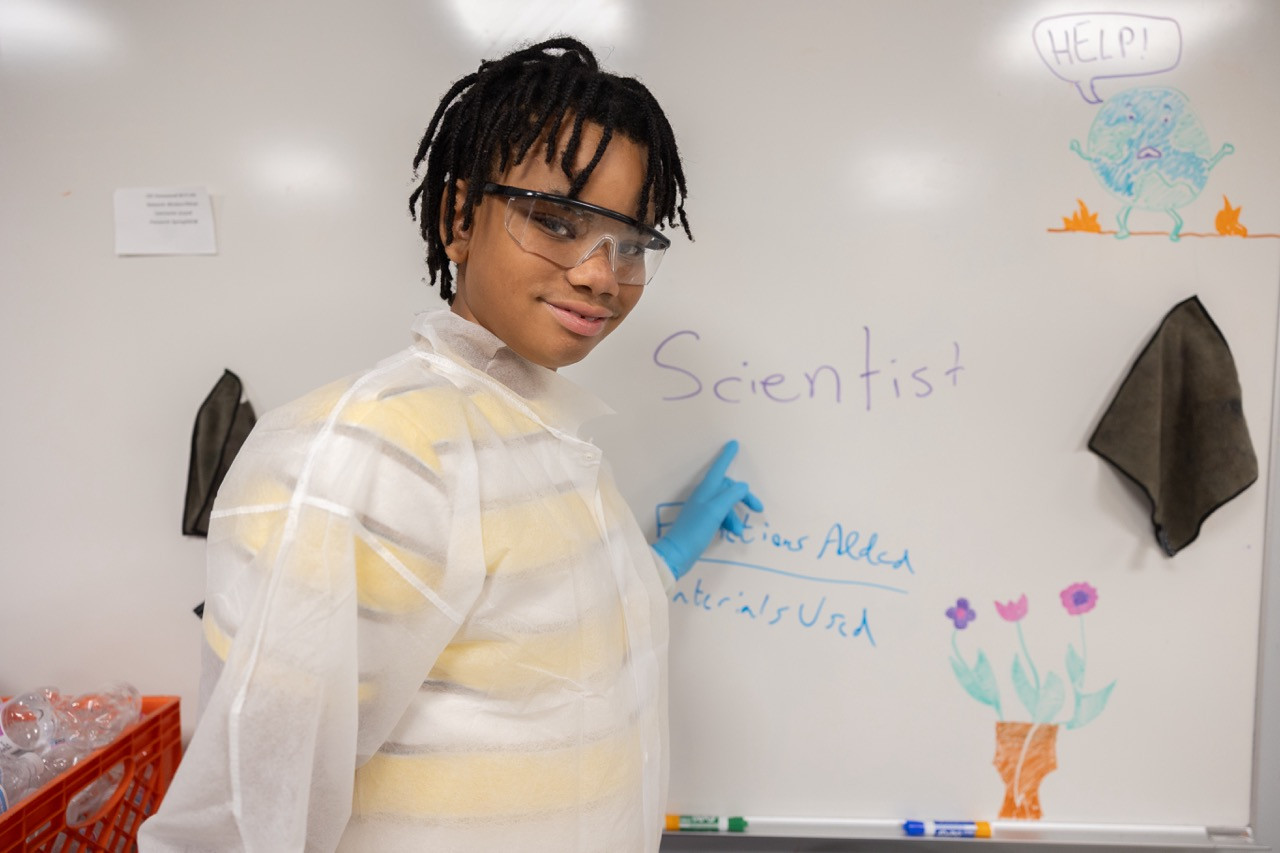
While the high school session emphasized bioprinting, Knight also recognizes the importance of creating meaningful and accessible STEM+ experiences for the camp’s younger scholars. Since she stepped into the director role in 2022, she has designed the camp to act as a pipeline to spark interest in science for young scholars as early as 2nd grade. This past summer, Knight dedicated the remaining three weeks of the camp to elementary and middle school students, immersing them in interactive bioengineering activities led by current undergraduate students at the Swanson School of Engineering.
“Our undergraduate counselors really run the camp.” Knight said. “As engineering students, they select the STEM+ topics that they’re personally passionate about and want to teach the young scholars.” Knight said. “They can really connect with the scholars in engaging ways that bridge the age gaps between them.”
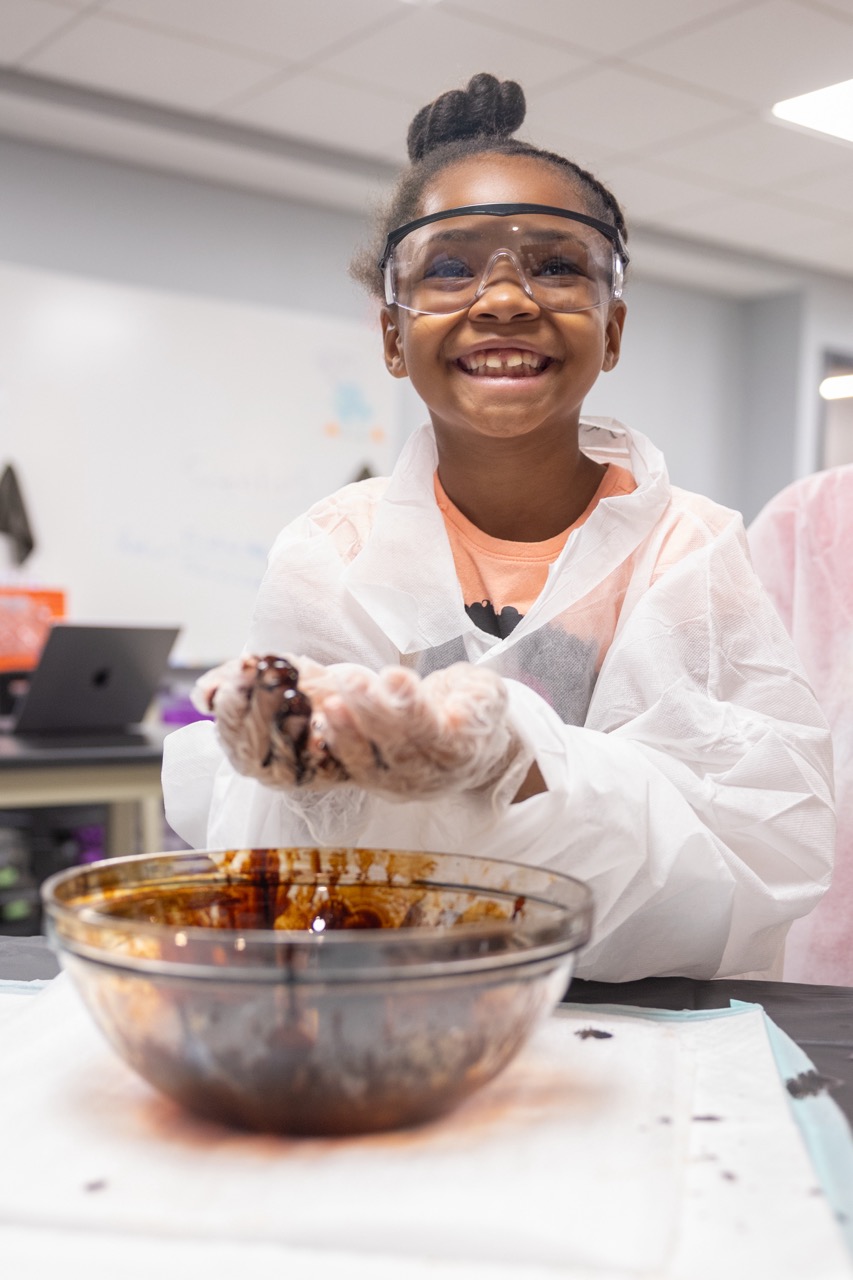
This year, CampBioE 2.0’s counselors taught the scholars about the brain and the heart, demonstrated the use of magnetic ferrofluid and its potential application in medicine, and explored sustainability in a module from the Mascaro Center for Sustainable Innovation (MCSI). The scholars also participated in a design challenge to make modified cups for people with cerebral palsy, built brain models out of Play-Doh, and simulated dialysis with kidney tubing.
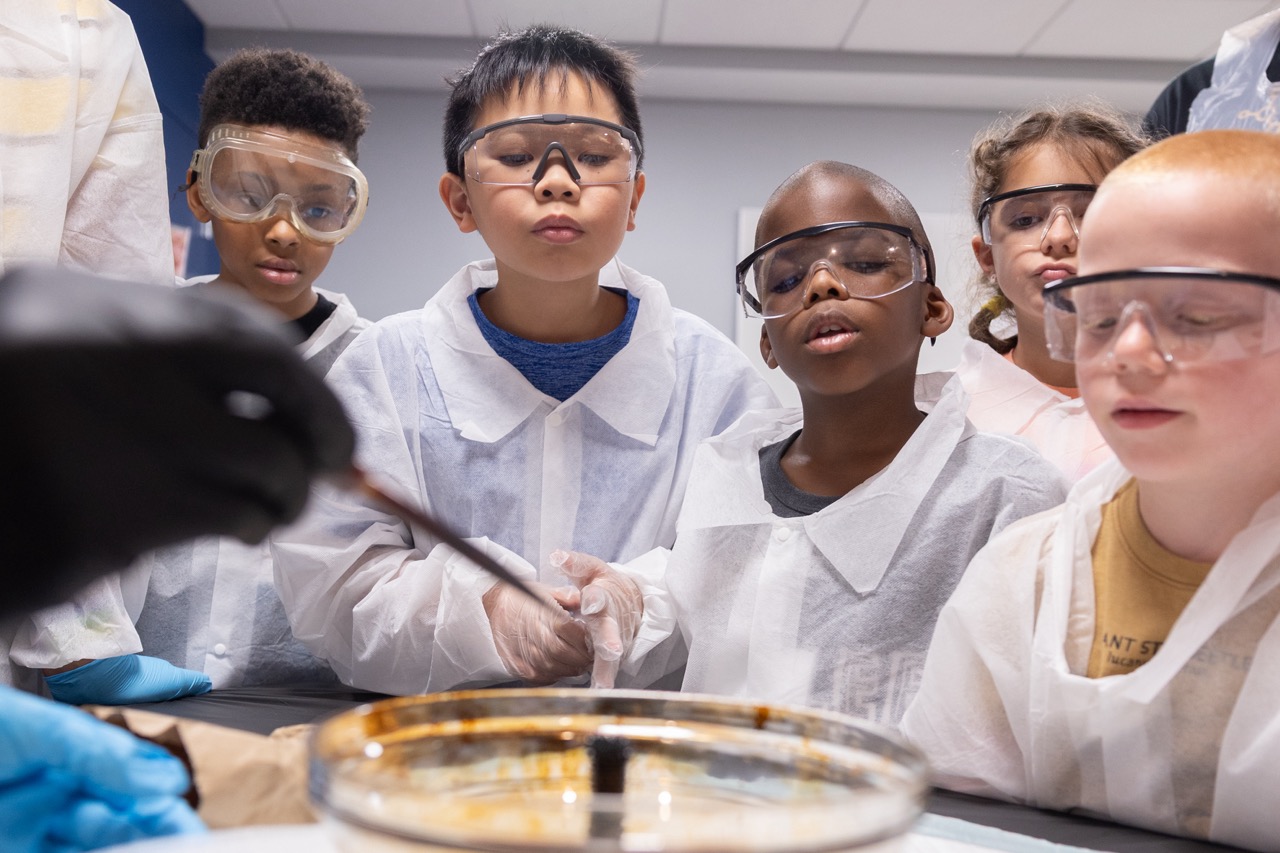
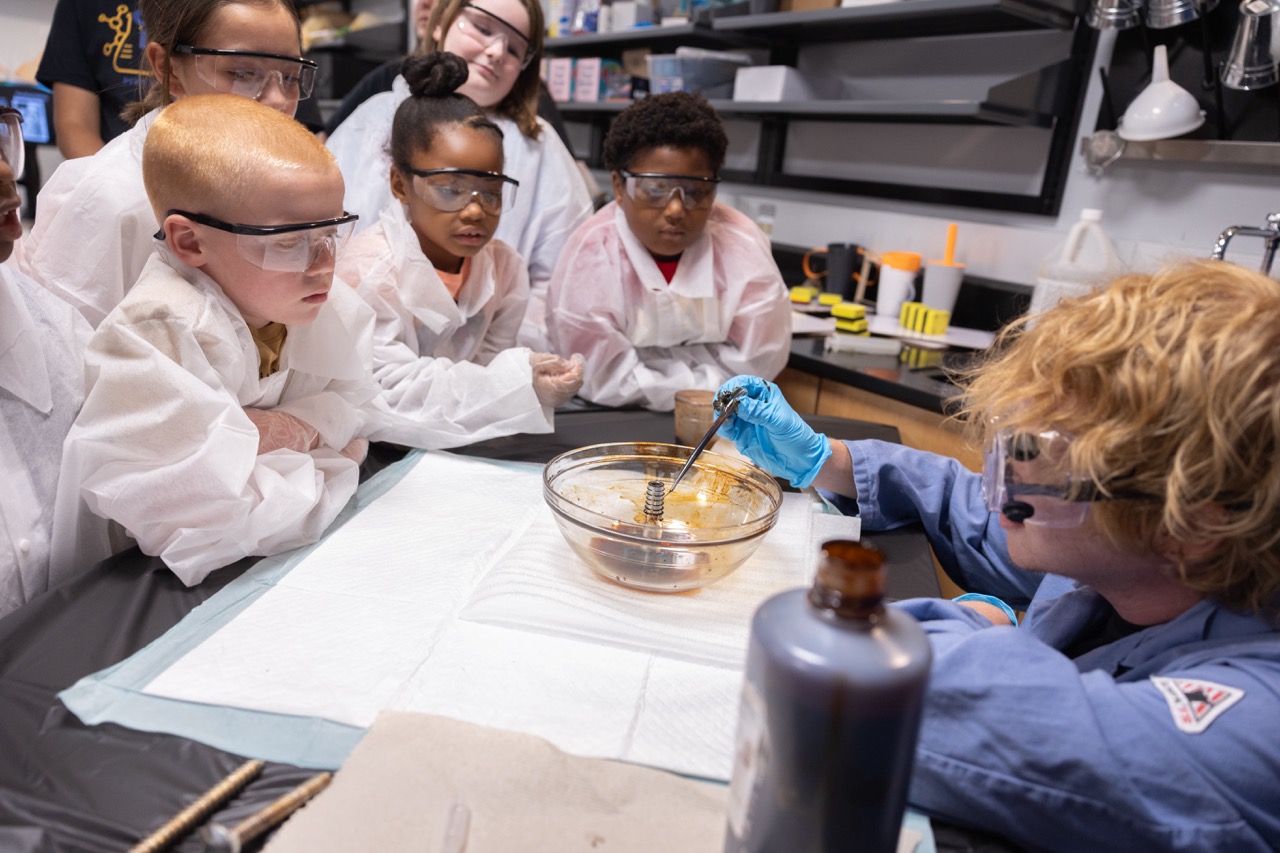
“One of our counselors also introduced our scholars to ferrofluids - magnetic liquids first developed by NASA - and the students used them to model targeted drug delivery and to simulate filtering microplastics from water.” Knight added. “We also designed wind-powered generators and took part in a UN-style climate summit to tackle global challenges like reducing CO².”
Building the Pipeline to STEM+
Through CampBioE 2.0, Knight aims to cultivate consistent interest in STEM+ for students living in all of Pittsburgh’s neighborhoods and surrounding areas. Through partnership with the CEC, Knight has been able to introduce bioengineering to students from all economic backgrounds by providing scholarships for scholars to attend the camp free of cost.
“When I came in as director of the CEC, one of the neighborhood’s requests was exposing children to career exploration and science, and I think CampBioE2.0 is here to complement that,” said Vernard Alexander, Director of the Homewood CEC. “Dr. Knight, Dr. Shiwarski, and the counselors have all done a great job—from talking with kids I know personally and those here for the first time, it’s clear they really enjoyed this camp.”
For Knight, one of her proudest achievements thus far has been seeing the same scholars return each year, and building lifelong relationships with these scholars through consistent programming.
“Doing this engineering programming with young scholars is so valuable, and whether or not they ultimately pursue STEM+ years from now, the exposure itself has such a lasting impact.” Knight said. “Especially during our elementary school week, we had a few scholars return from last year, and we even had two second graders, which was really fun to see them engaging at such a young age.”
That early exposure can ultimately set the stage for more advanced programming as scholars grow, building the confidence and skills that carry into high school, college, and beyond.
“We worked on pretty complicated things, so when high schoolers with no experience in 3D bioprinting can create tissue scaffolds on par with PhD students in just two weeks, it’s really impressive.” Shiwarski said. “It gives these students confidence, shows them what they can accomplish, and can motivate them to keep pursuing these areas in their education down the line.”
The Department of Bioengineering would like to thank our generous donors, partners, and all who have contributed to CampBioE 2.0's continual success. Interested in attending CampBioE 2.0 next summer? Join our mailing list and visit our website for more information.