
Big Ideas for Miniature Subs
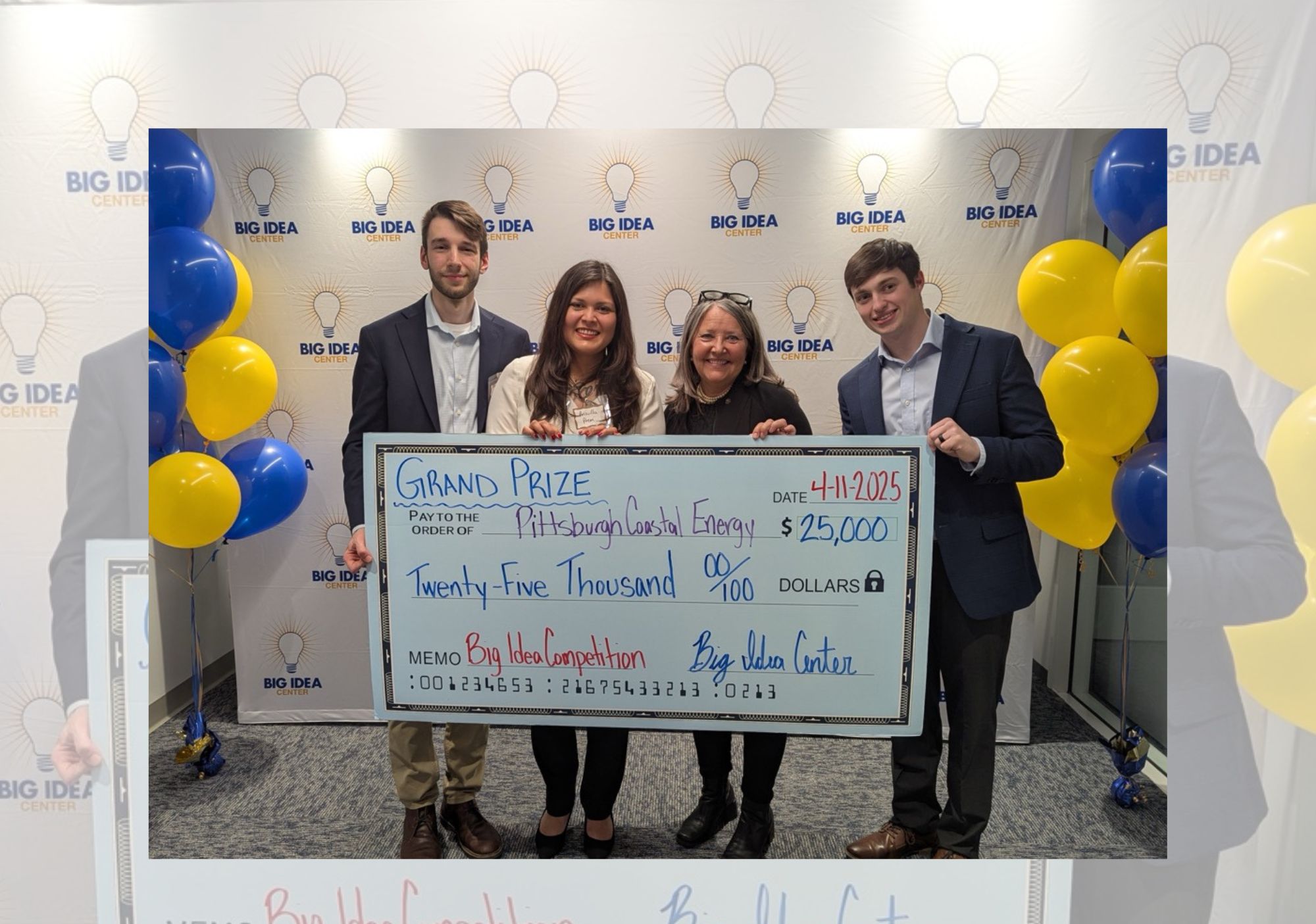
Above (L - R): Robert Karnavas, Priscilla Prem, Rhonda Schuldt, and Carlan Grey
As part of a high school STEM competition, Priscilla Prem and a classmate designed and built a windmill made of sheet metal and other spare parts from her grandfather’s plumbing business. With their creation, the two friends reached the regionals—and set the stage for future entrepreneurial success.
“I’ve always liked to invent and build things,” said Prem, a U.S. Navy veteran currently completing her fourth year as a PhD student at the University of Pittsburgh Swanson School of Engineering. “But I didn’t know that I could do it in this kind of setting. I came to Pitt not knowing that entrepreneurship was an option for scientists and engineers.”
Today, Prem is the founder and CEO of Pittsburgh Coastal Energy, a startup building energy generators to propel unmanned submarines. On April 11, she and her team, including fellow Pitt engineering students Carlan Gray and Robert Karnavas, received the $25,000 grand prize for the University’s Big Idea Competition.
For Prem, the achievement reflects the entrepreneurial spirit promoted at Pitt and what can happen when a team of engineers work together to develop new technology and solve problems.
Not self but country
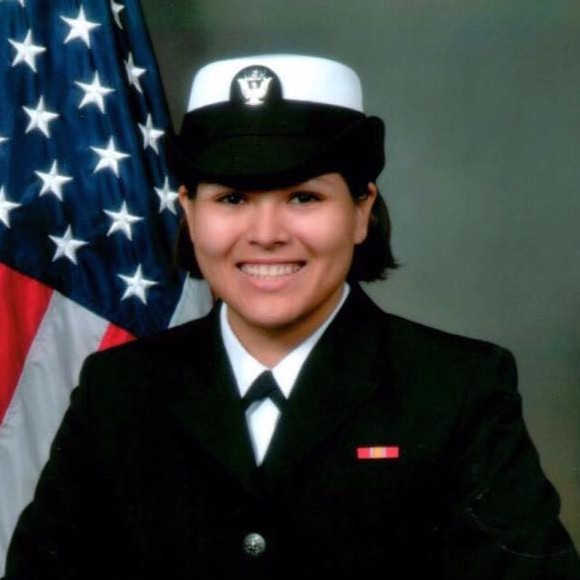
Prem’s journey to CEO started in the U.S. Navy. Inspired by her grandfather’s service in the Marines, she enlisted after high school. She wanted to serve her country and gain hands-on technical experience.
While stationed in San Diego, she worked on the USS Carl Vinson, a nuclear-powered aircraft carrier, as a technician in the Naval Nuclear Propulsion Program. She focused on the chemical side of the reactor and found her passion.
In 2014, after three and a half years of service, Prem suffered a knee injury and received a medical discharge. She enrolled at Old Dominion University and earned her BS in biochemistry and then, at the University of Denver, earned an MS in chemistry.
Researcher, meet entrepreneur
During her master's degree course work in 2020, Prem landed an internship with the National Energy Technology Lab in Pittsburgh. She loved the research and the city. She met Pitt professor Susan Fullerton, and this meeting and the internship inspired her to apply to the Swanson School.
“I thought I was going to come to Pitt and get my PhD in chemical engineering and go work at a national lab,” Prem said. “But my first year, I met Professor Christopher Wilmer, and he encouraged me toward an entrepreneurial track. Then I got connected to Pitt’s Big Idea Center. I knew almost immediately that this was the path for me.”
Working in Susan Fullerton’s Nanoionics and Electronics Lab, Prem creates polymers which she coats on transistors to functionalize electronics. Through her research, she realized she could apply what she was doing and learning to energy generation.
“I went home and put stuff together in my house,” Prem said. She invented a new device to generate energy through oscillating energy fields.
In the garage
In the Navy, Prem had learned about unmanned robotic submarines. These miniature subs can reduce the risk to US sailors by removing humans from harm’s way. But, as Prem noted, they have a problem: “They don’t have enough energy to deploy for long durations.”
After inventing the new technology, “it was a no brainer,” Prem said. “I wanted to help.” Reaching out to a close friend she met in the Navy and to engineers she knew at Pitt, she assembled the team. In 2023, she founded a company.
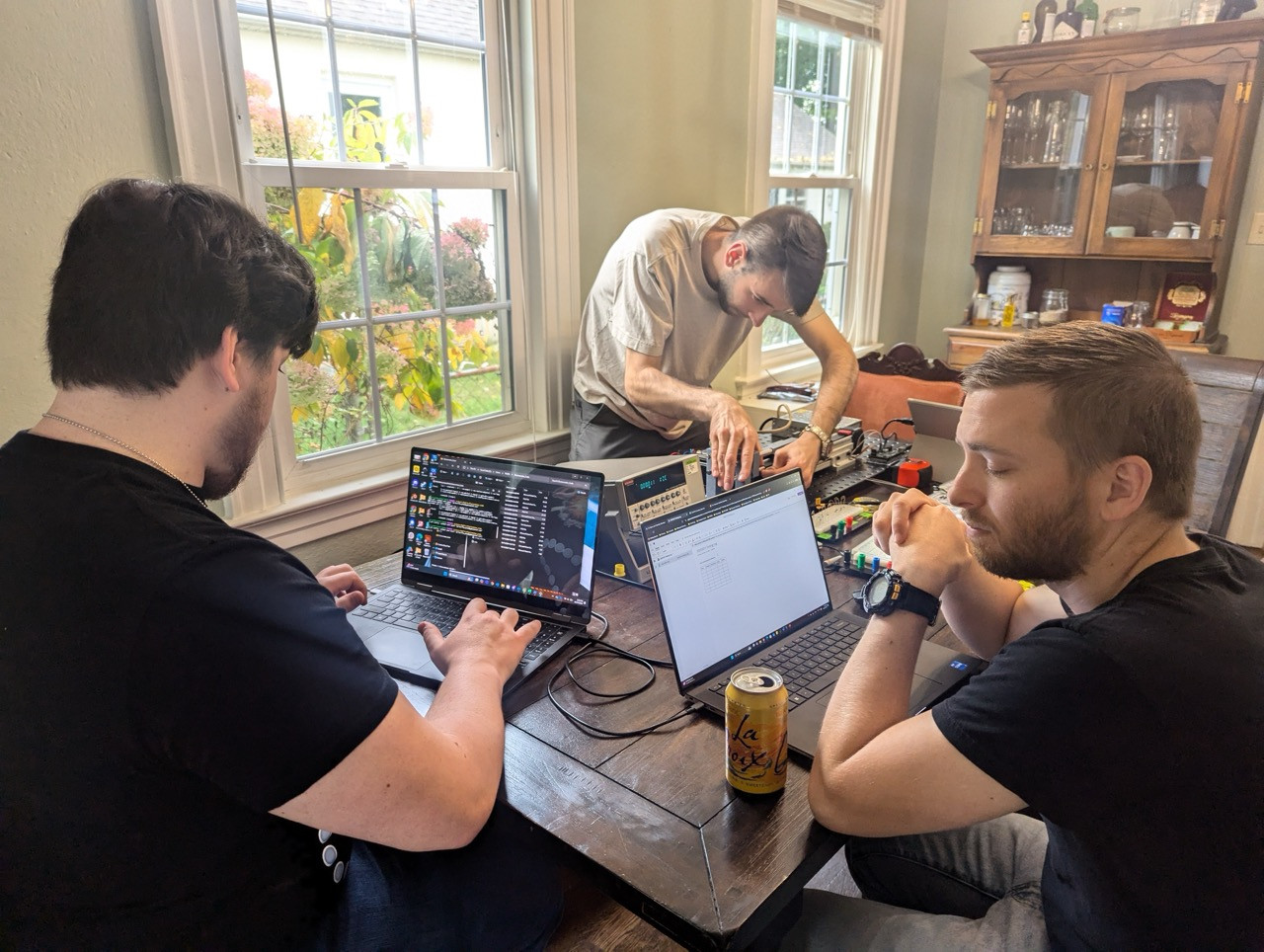
Like so many startups, Pittsburgh Coastal Energy is headquartered in a house—Prem’s house. “I set up a lab in the garage, but this winter it got pretty cold. We were working in our coats, with a space heater doing its best. We’re going to move the lab to the basement.”
The company developed the Polar Ionic Nanogenerator (PING), a system that uses the movement of ocean waves to generate electricity, which can keep subs powered.
They applied for and were one of the winning teams in the first two phases of the Innovating Distributed Embedded Energy Prize (inDEEP) Challenge, sponsored by the Department of Energy (DOE). The team applied for the DOE’s Power at Sea Prize, and they were one of twenty Phase 1 winners. For the third phase of the inDEEP competition, they have begun to prototype their winning proof of concept. They are building the system that will fit into a sub and keep it moving.
The community of innovators and entrepreneurs
Like Prem’s grandfather, who helped her realize her vision of a windmill, countless individuals have made Prem’s journey to a successful inventor and CEO possible. “I have had so much support. When I run into something, someone is here to help.”
That starts with Fullerton, her professor who has encouraged entrepreneurship—who is helping develop a programmatic focus on meeting graduate students’ unique goals—and who has fueled Prem’s passion for innovation. “It’s rare to have an advisor who lets you start a company while doing research. I feel so lucky to have Dr. Fullerton, who has given me the freedom to do this.”
Then, there is the Big Idea Center. Through the Big Idea Competition, Prem and her team gained invaluable experience developing and practicing their pitch. “To construct a pitch,” Prem said, “you have to understand everything that goes into your business.”
Beyond the competition, the Big Idea Center’s other programming has provided her insight into so many facets of running a business. “Rhonda Schuldt, the director of the center, is always reaching out with opportunities and new connections.”
Prem and her team have connected with Innovate PGH, and they are now part of the First Anvil Founders Cohort, where Pittsburgh startups can access “the tools, knowledge, and confidence to scale their business.”
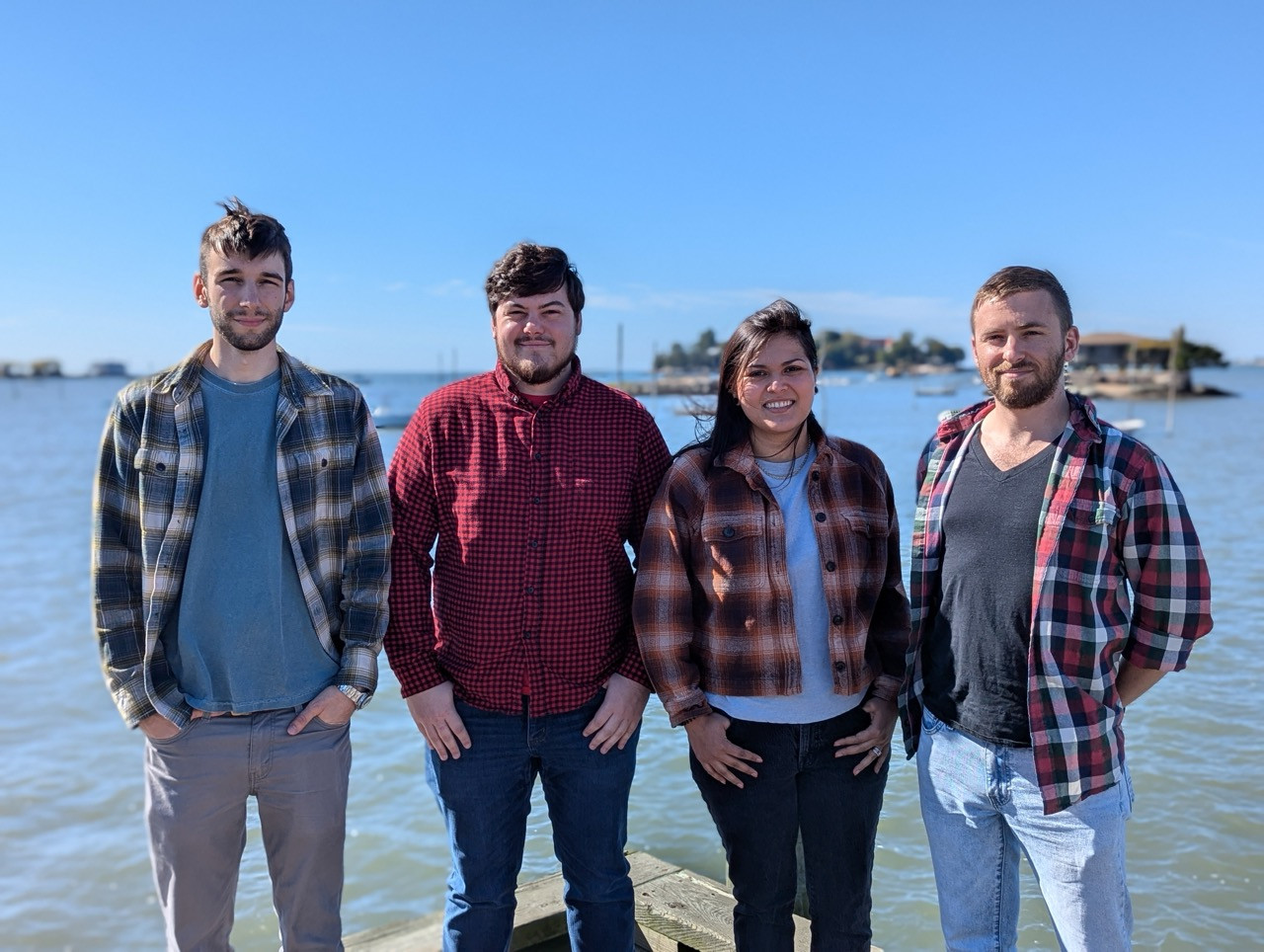
Most of all, Prem credits the team of creative, driven, and flexible individuals she works with to advance energy generation and unmanned submarine technology. “All of us are engineers,” she said, “but we also handle other sides of the business. With an engineering background, you can apply problem-solving skills to whatever you’re doing.”
With strengths in chemical, electrical, and mechanical engineering as well as physics, the team is well equipped to meet the many challenges of building a business from scratch. But it’s even more than that. “It’s just great to work with people who want to bring something into the world,” Prem added, “and who just do it—and also to know we’re helping to protect lives and enhance national security.”