
Bioengineering Faculty earn SSOE named professorships, fellowships
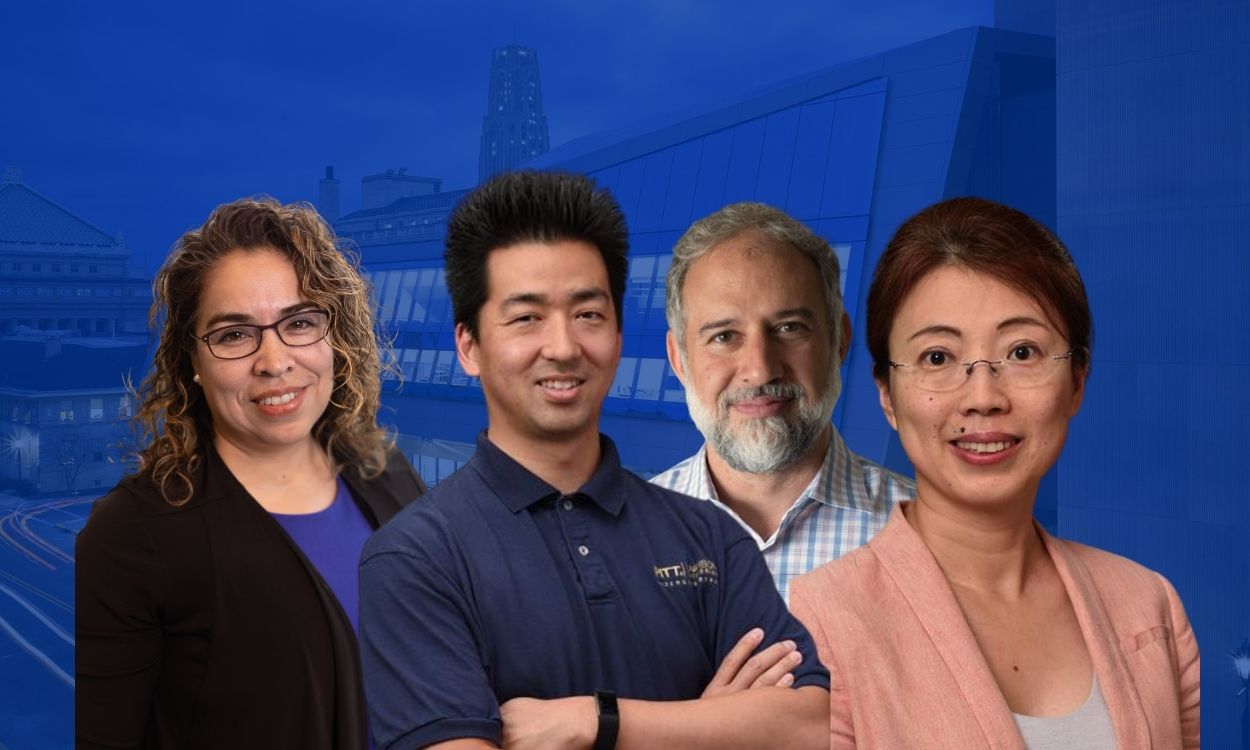
Faculty at the University of Pittsburgh Swanson School of Engineering are working on some of neural engineering’s most ambitious frontiers, from brain-computer interfaces to locomotor learning. Four professors leading that work in the Department of Bioengineering recently received a recognition to match: named professorships and fellowships honoring and assisting their contributions to the field.
George M. and Eva M. Bevier Professors
Aaron Batista
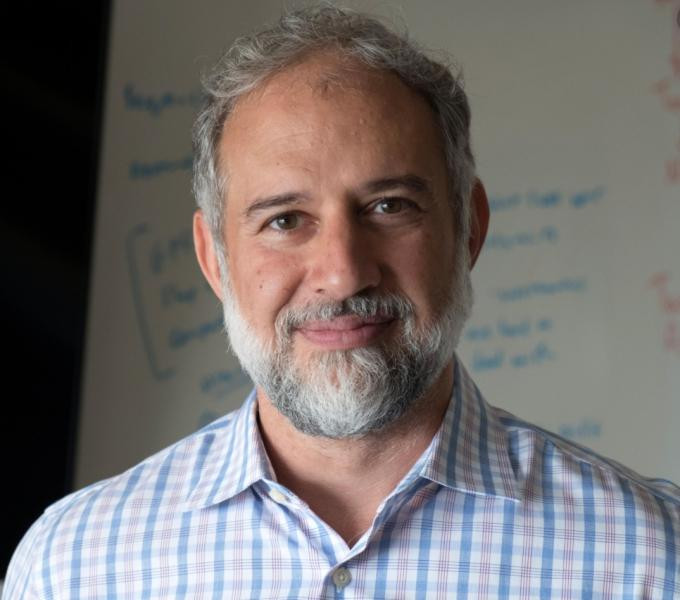
New appointment | Sept 1, 2025 – Aug 31, 2030
Batista’s research focuses on how the brain learns and controls movement. His laboratory discoveries help to improve brain-computer interfaces, systems that establish a direct communication pathway between the brain's electrical activity and external devices, allowing users to translate neural signals into commands to operate computers, robotic limbs, or software. He’s also part of the Simons Collaboration on Ecological Neuroscience (SCENE) from the Simons Foundation, which unites leading scientists across neuroscience and machine learning to discover how the brain performs sensorimotor interactions.
Xinyan Tracy Cui
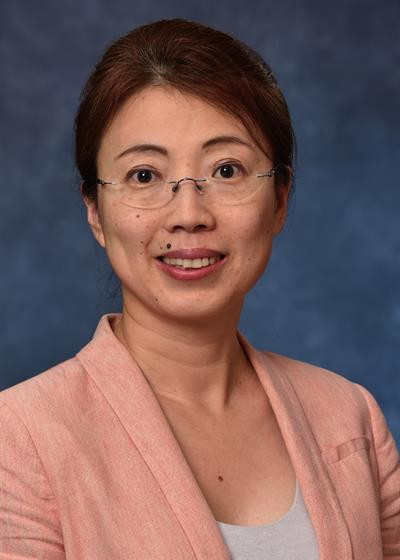
Reappointment | Sept 1, 2025 – Aug 31, 2030
Cui's lab develops smart biomaterials and neural interface technologies designed for implantation in neural tissue to enable diagnosis and treatments. Her research spans flexible multimodal neural probes for interrogation of the nervous system; neural modulation therapies; biomimetic implant designs and coatings that promote seamless tissue integration; as well as on-demand drug delivery systems and biosensors. Cui holds nine patents, is widely cited with more than 16,000 citations, and is a co-founder of a Pitt-based startup, Vanish Therapeutics, translating research from the lab to real world impact.
Ernest E. Roth Professor
Takashi (T.K.) Kozai
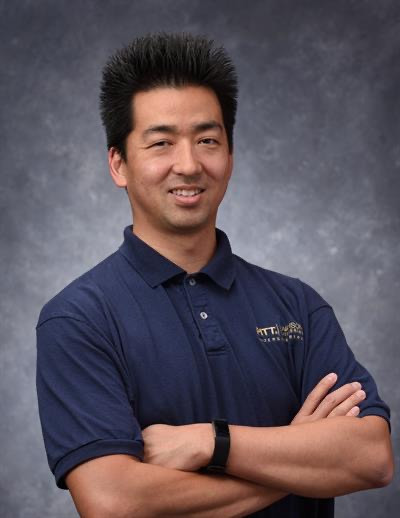
New appointment | Sept 1, 2025 – Aug 31, 2030
Kozai's B.I.O.N.I.C. Lab examines the neurocomputational roles of glial and mural cells in healthy and diseased brain, and the biophysics of electrical and ultrasonic neural recording and stimulation at the tissue-electrode interface. His laboratory employs chronic in vivo two-photon microscopy, functionally evoked electrophysiology, electrochemical impedance spectroscopy, cyclic voltammetry, post-mortem immunohistochemistry, and transgenic and AAV-based biological intervention strategies.
“I feel honored and energized by the responsibility that comes with a named professorship. The title acknowledges the collective work of my trainees and collaborators, who consistently push the boundaries of what we can measure, model, and engineer in the nervous system.” Kozai said. “It also reflects the Swanson School's commitment to research where clinical challenges drive new scientific questions and laboratory discoveries reshape therapeutic strategies.”
Leighton E. Orr and Mary N. Orr Faculty Fellow
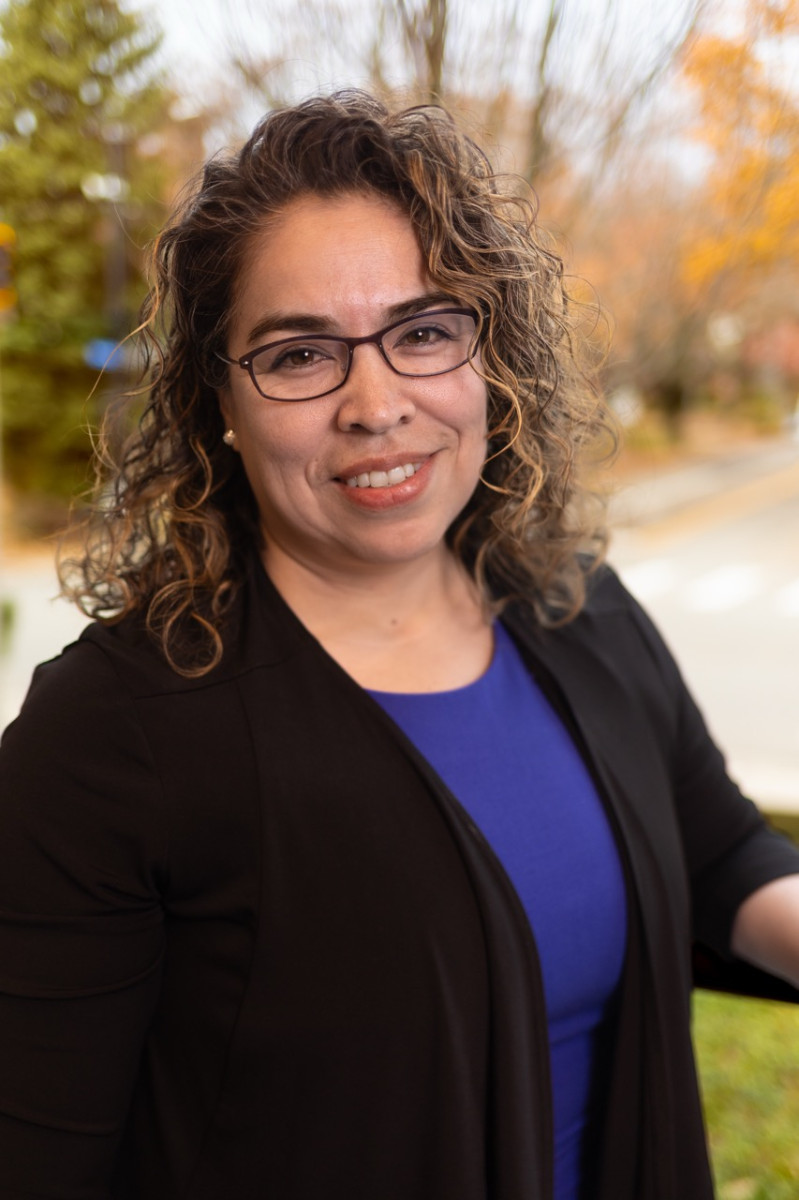
Gelsy Torres-Oviedo
New appointment | Sept 1, 2025 – Aug 31, 2029
At the Sensorimotor Learning Lab, Torres-Oviedo’s group studies neuromechanical mechanisms for locomotor learning in humans with and without neurological disorders by investigating the human ability to adapt walking patterns and learn new movements through interactions with the world. The team combines psychophysical experiments and computational tools to investigate locomotor learning in unimpaired subjects and patients with cortical lesions.