
Professional MS Student Summer Experiences 2024

As part of the Professional Medical Product Engineering (MS-MPE) program, students are required to complete a summer internship in industry or research. Below are summaries of experiences some of our students had this past summer 2024!
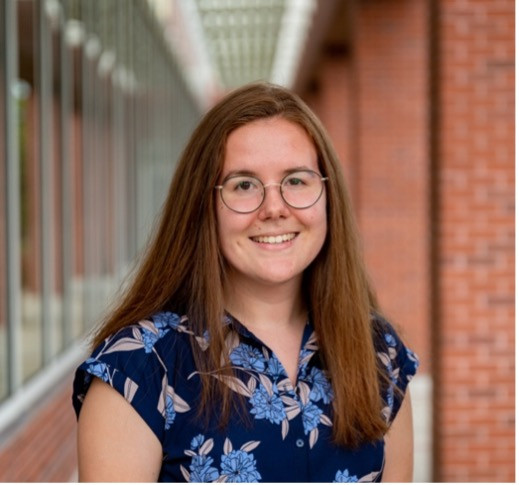
Nicole Bohatch
Manufacturing Engineering Intern at Cook Medical
In this role, my primary project involved updating manufacturing instructions to add clarity for operators. In addition to this project, I assisted my team in other manufacturing and post-market engineering activities such as device integrity testing, incoming inspection testing, verification testing, and design of verification test methods. Through this experience, I was able to get hands on experience working at a medical device manufacturing site. I learned the importance of working in cross-functional teams in industry and how that impacts a project’s success. The MS-MPE program helped prepare me for this role. An important skill I practiced in the MS program was working cross-functionally. This type of collaboration is extremely important in the medical device industry. Also, learning about regulatory requirements during the Professional MS classes prepared me to see how they are implemented in a medical device company. Overall, I feel the MS-MPE prepared me well to take on my first industry experience.
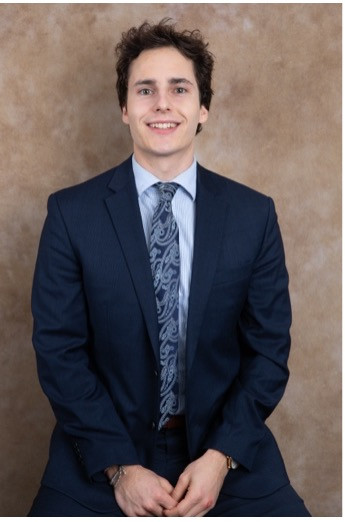
Alec Maraska
Artificial Heart Biomedical Technician at University of Pittsburgh Medical Center (UPMC)
In this role, I am responsible for supporting MD’s, nurses, and senior level biomedical engineers with the monitoring, preventive maintenance and transport of patients supported by mechanical circulatory support (MCS) systems. Specifically, I worked with Arrow intra-aortic balloon pumps (IABPs). I have gained valuable clinical and technical knowledge relating to the use of medical equipment in operating room, catheterization lab, cardiothoracic ICU, and other related environments. I’ve learned how to communicate with individuals of various healthcare specializations, make quick decisions in high-pressure situations, and follow all applicable related hospital guidelines and standards in the medical device and patient care fields. Pitt's professional MS-MPE program enabled me to succeed in this role by allowing me to develop the skills necessary to succeed on a cross-disciplinary team, communicate effectively and professionally, and allowed me to gain experience interacting with clinicians and other healthcare professionals from a technical engineering perspective. I especially value the ability that the MS provided to work with clinical mentors to solve engineering problems, including clinical shadowing and ideation that gave me the necessary experience to attain this position.

Zachary Roy
Research Engineer and Project Coordinator at the University of Pittsburgh Health Home Laboratory (HHL)
In this role, I work with a multidisciplinary team of engineers, designers, clinicians, and public health experts across Pitt to solve problems related to older adults being able to age safely and independently in their homes. The MS-MPE program has been great for supplementing my knowledge of the product development process. Taking classes part-time alongside my work has allowed me to directly apply that knowledge I'm learning in classes to my role as a Research Engineer. Specifically, IP analysis skills, brainstorming techniques, systems engineering principles, and project management skills through group work all translated well into my role this past summer at the HHL, which involved prototyping several novel bathroom assistive technology devices with the HHL Team.

Nikhila Simhadri
Engineering Intern at Advanced Optronics
During my internship, I worked on designing test and inspection protocols for medical devices, optimizing data from test results, and participating in usability testing with surgeon users. This hands-on experience in a startup environment gave me valuable insights into real-world medical device product development. I contributed to designing usability testing protocols and applied human-centered design principles, which were a key part of my academic training. The Professional MS-MPE program, particularly courses in medical device ideation and clinical bioengineering, equipped me with the necessary skills to excel in this role by providing me with tools to implement in a professional setting.

Lauren Wieczenski
Intern at the Human Engineering Research Labs (HERL)
This internship program gave me the opportunity to collaborate with a faculty mentor on a 10-week engineering research project. The purpose of my project was to inform metrics for a novel noninvasive neural stimulation device. My project consisted of independently developing a program for quantifying variability in anatomical metrics of the external ear using 3D modeling software and programming software. At the end of my internship, I was able to present a scientific poster about my work. I really enjoyed my time at HERL and am continuing to work on my project throughout the semester with the hope of getting to publish my work! Through this experience I learned a lot about various 3D modeling software and got to refine my coding skills in various programs. I also had the opportunity to present my research in a scientific poster which I had never done before. I also learned a lot about rehabilitation engineering and accessibility considerations for medical devices which was incredibly interesting and eye-opening. The MPE program prepared me for this role by giving me a strong foundation of technical and professional skills. I learned to 3D model last year in BIOENG 2195: Medical Product Prototyping Foundations, which is a skill that was directly applicable to my work at HERL. The professional development aspects of the MPE program also prepared me to be able to present my project in a professional setting.