
Mon-Fayette Expressway
IRISE has entered into a three-year $2.5 million agreement with the Pennsylvania Turnpike Commission to support four research projects that will help the Turnpike continue to be a forward-thinking organization, applying new technologies to not only address the problems of today, but to meet the challenges of tomorrow.
Known as the Mon-Fayette Test Bed, the work will take advantage of the design and construction of a section of the new Mon-Fayette Expressway east of Pittsburgh to demonstrate and field test the new applications.
Electrified Roadways Strategic Plan Summary

Led by Dr. Amir Alavi, this project entails development of an Electrified Roadways Strategic Plan for the Turnpike. The Plan will guide the agency’s investment decisions and policies in the coming years as the electric vehicle (EV) and dynamic wireless charging (DWC) technologies advance. The Plan will focus on in-road electric vehicle charging infrastructure for heavy-duty vehicles as potential early adopters of DWC technology, integration of distributed roadside renewable energy (solar and wind) generation, and leveraging opportunities to drive private investment in EV charging.
Energy Harvesting Using Sustainable and Multifunctional Geogrids Summary
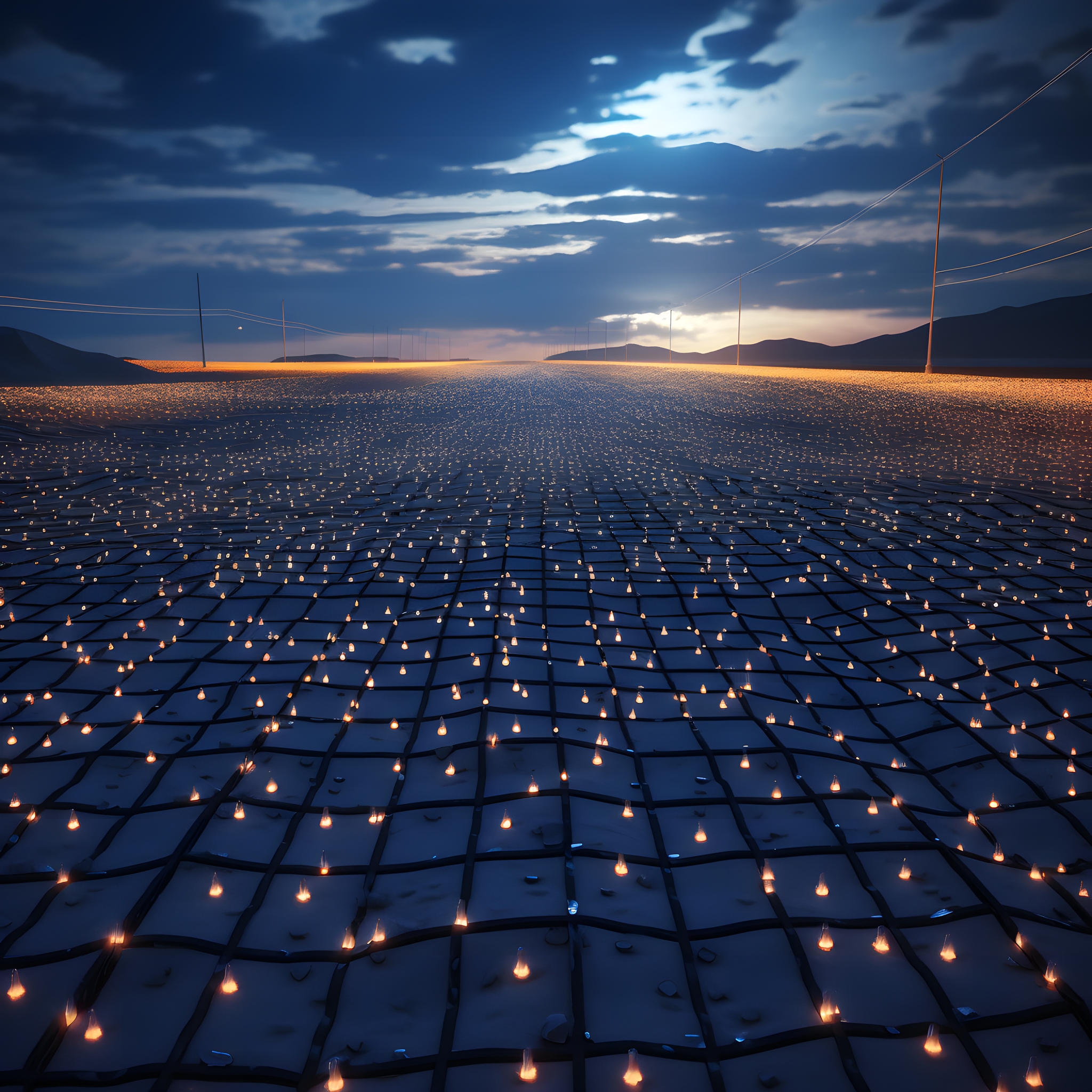
Led by Dr. Amir Alavi, this project focuses on generating energy from sustainable geogrids made from recycled materials. The research team proposes to develop a first-of-its-kind smart geosynthetic in the form of a geogrid made from waste plastic as the main component for enhancing the performance of pavement systems with asphalt and concrete overlays. The proposed solution would harvest the energy from mechanical excitations caused by traffic and store it using an energy harvesting kit for empowering roadside electronic devices.
Multifunctional Acoustic Concrete Metamaterial Sound Wall Summary

Led by Dr. Amir Alavi, this project focuses on the use of concrete metamaterial to build a first-of-its-kind multifunctional sustainable wall with both noise cancellation and nitric acid reducing functionalities. Small and large-scale metamaterial noise walls would be developed with a concrete 3D printer. The goal is to come up with a final design that can later be deployed for road demonstrations and testing. Preliminary calculations suggest using metamaterial walls with predominately open areas can result in hundreds of thousands of dollars in material cost savings, and could potentially dissipate more than 90% of the noise and reduce nitric acid levels as low as 19% of current levels.
Digital Twin Technology Summary
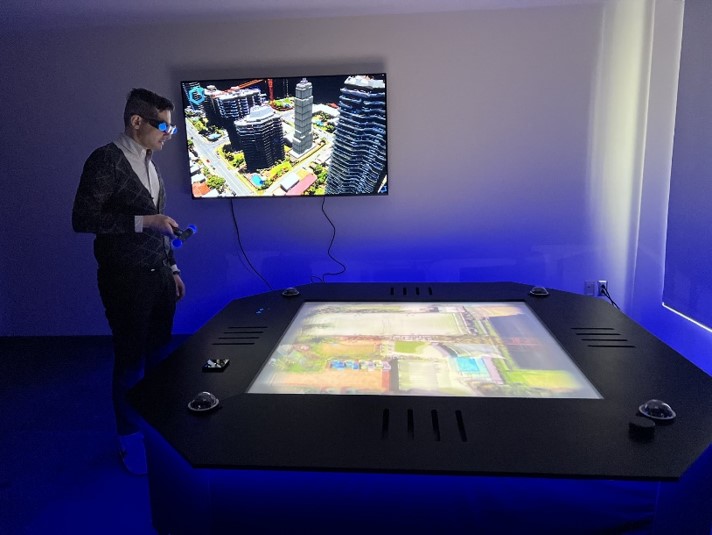
Led by Dr. Alessandro Fascetti, with support from Drs. Daniel Bain (Geology), Kent Harries, John Brigham, and Julie Vandenbossche, this project will construct a digital twin model of a selected portion of the Mon-Fayette Expressway. The digital twin of the infrastructure ecosystem will interact with three selected physical assets: pavements, bridges, and stormwater management utilities. It will enable a holistic approach for resilience assessment and risk-based operational maintenance. In developing the digital twin, the research team will use recent advancements in in-situ and remote sensing, reality capture and digitalization of the built environment, Internet-of-Things and artificial intelligence technology, with the ultimate goal of enabling quasi-real-time assessment of the Expressway. All of the data will be efficiently visualized and manipulated using advanced visualization techniques enabled by the adoption of the Digital Twin framework, including augmented and virtual reality immersive environments.
